| |
|
|
| |
Why yarn only indicators?
Fri 25th June, 2010
|
|
|
|
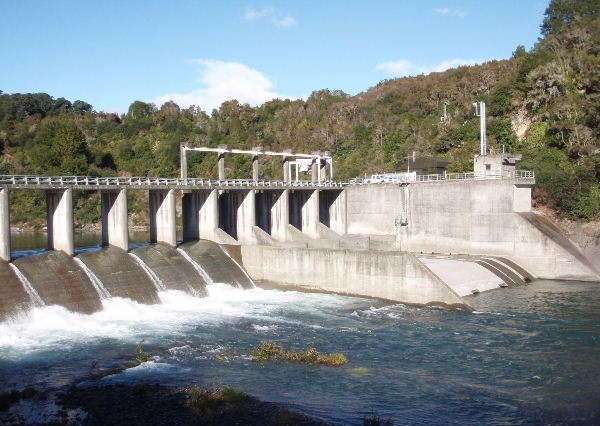
Because of the reduced river flows after the completion of the Tongariro Power Development Scheme in the 1970’s all other techniques besides wet-lining were now viable options.
Visiting American anglers probably introduced the indicator to New Zealand and at that time strike indicators could be made of anything. Unfortunately some “anglers” interpreted the word indicator as meaning fist sized pieces of polystyrene foam or even bits of jandal. Using these they were able to suspend large heavy flies and all sorts of other things and reach parts of the river that less “imaginative” fly-fishermen had no chance of ever getting near. Because of the buoyancy of these large floats and the water resistance created by them any fish taking the fly were more likely to hook themselves. Using these they were able to suspend large heavy flies and all sorts of other things and reach parts of the river that less “imaginative” fly-fishermen had no chance of ever getting near. Because of the buoyancy of these large floats and the water resistance created by them any fish taking the fly were more likely to hook themselves.
This reduced the need to strike and at the same time increased the chances of foul-hooking them.
It was generally accepted this wasn't really what the sport of fly-fishing was about because it lessened the possibility of a fish evading capture.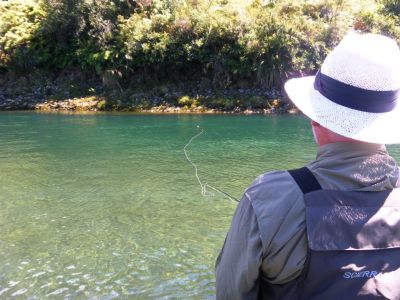
To discourage this practice and after consulting with anglers The Department brought in the yarn only rule. Of course even a yarn indicator is a form of float but there is a limit to the weight of nymph it will hold up and more importantly you have to strike to set the hook.
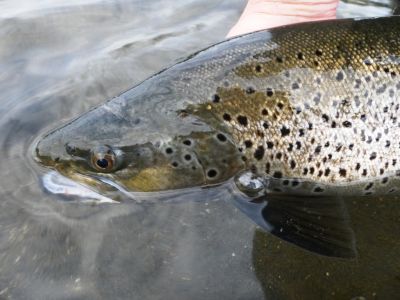
Even though some anglers complain about having to use yarn “budgies” upstream nymphing with an indicator is still the number one method used on the Tongariro to this day.
 |
|
|
| Back to Top |
|
|
|
|
|
|
|