| |
|
|
| |
You can't go wrong.
Tue 29th November, 2016
|
|
|
|
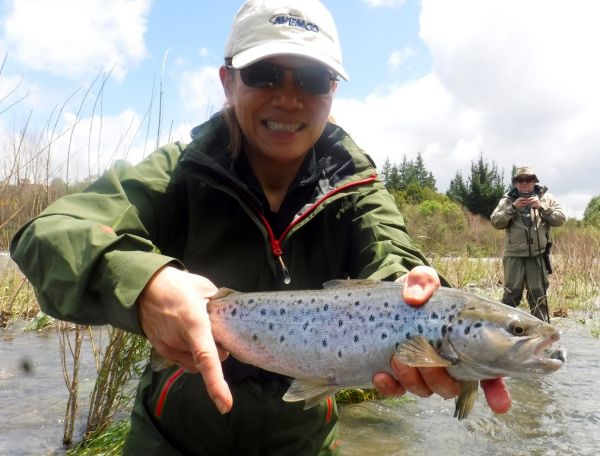
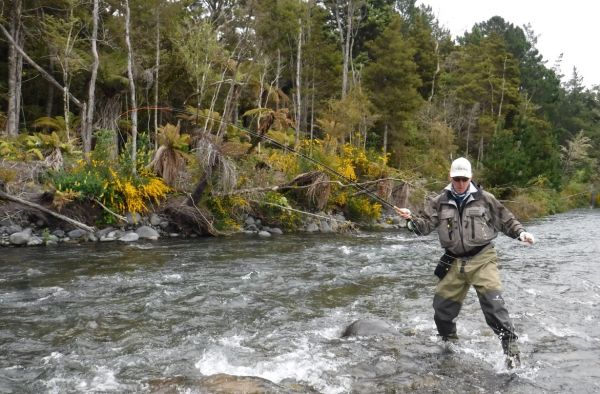 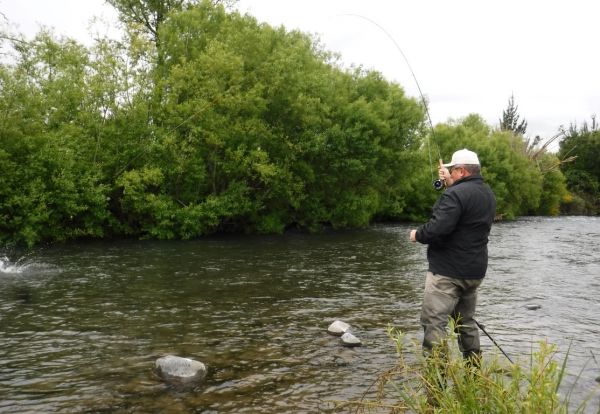 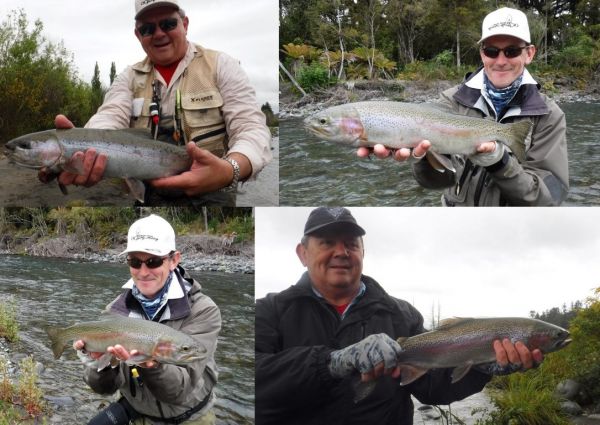 Despite the miserable weather we've had to put up with the past few weeks, you can't go wrong on the Tongariro at present.Ian and Simon spent three of their five day fishing break on the Tongariro and caught fish every day in less than ideal conditions. Despite the miserable weather we've had to put up with the past few weeks, you can't go wrong on the Tongariro at present.Ian and Simon spent three of their five day fishing break on the Tongariro and caught fish every day in less than ideal conditions.
Most of them taking a caddis under the dry.
From now on you'll meet more overseas fly fishermen along the river and this week I've talked to anglers from all over the globe ... very few of them complained about the fishing.
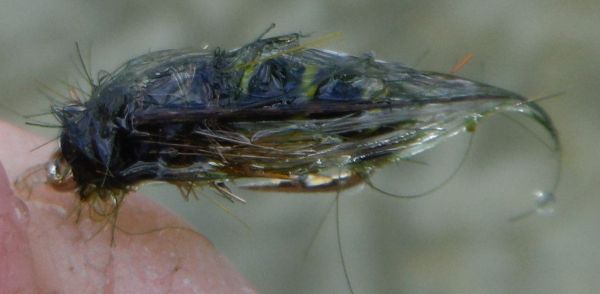 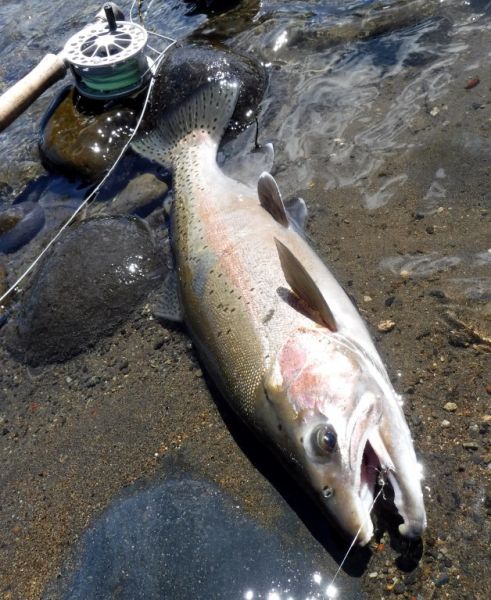 Tongariro trout predate on caddis throughout the insects life cycle. And like many other rivers, they're probably more important to feeding fish than mayfly. Tongariro trout predate on caddis throughout the insects life cycle. And like many other rivers, they're probably more important to feeding fish than mayfly.
For the most part when you see anglers fishing caddis on this river, it will either be the bottom dwelling larval stage. Or some sort of dry fly that imitates the adult insect at the surface.
They forget about the very important bit in between ... the emerging pupa.
Thanks to the observations and studies of others, we know that caddis pupae emerge in different ways, depending on species.
Some use sticks or rocks to crawl out of the water and then complete their metamorphosis on dry land. Others rise to the surface then swim to shore to emerge.
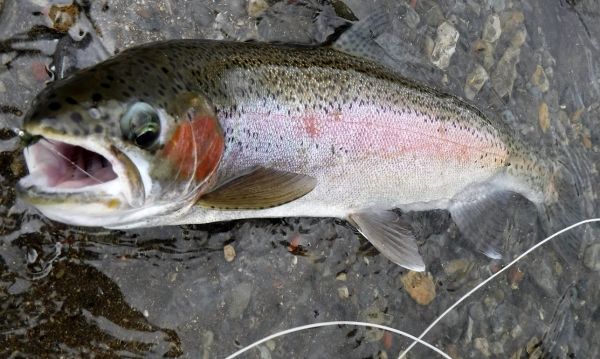 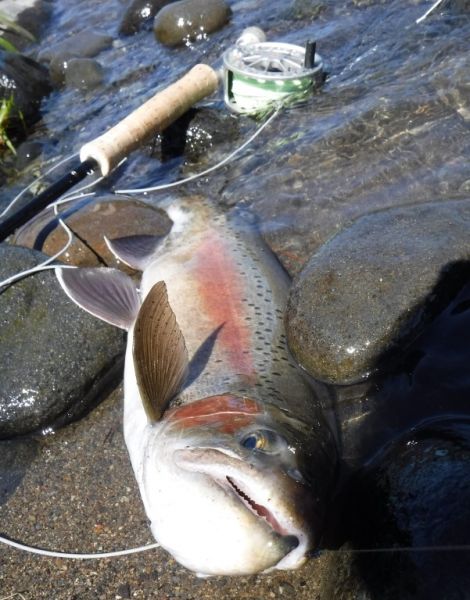
But a lot of them rise up to the surface where they discard the shuck as they drift downstream.
Mimicking this upward journey can pay off.
Have a look at the exert below from fly fishing guru Ralph Cutter's "Bugs of the Underworld".
The clip clearly demonstrates the insects transition from pupa to adult. And gives us some great insight into whats going on below the surface when caddis are emerging.
Caddis Life Cycle
You can see that most caddis pupa emergers are very capable swimmers, using their legs to propel themselves through the water.
But out in the open they're no match for hungry trout and if you get the presentation right you can score big time.
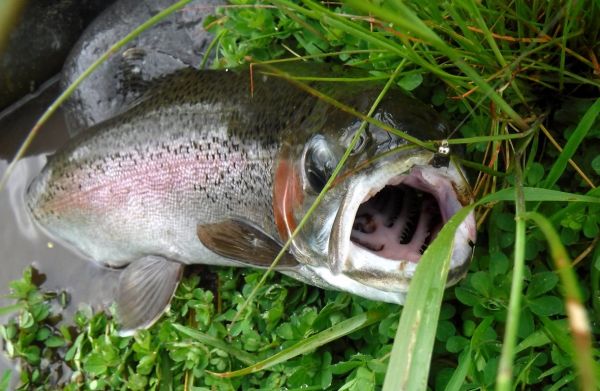 
You can simulate this caddis pupae behavior by suspending your flies under a very small indicator or large dry.
I prefer two flies below the indicator/dry.
One weighted with a 2mm black tungsten bead. The other unweighted or just slightly weighted.
Experiment with tippet length below the indicator because even in shallow water it will be a lot longer than you may think.
And it doesn't only work for rainbows!
Their bigger cousins are suckers for this method.
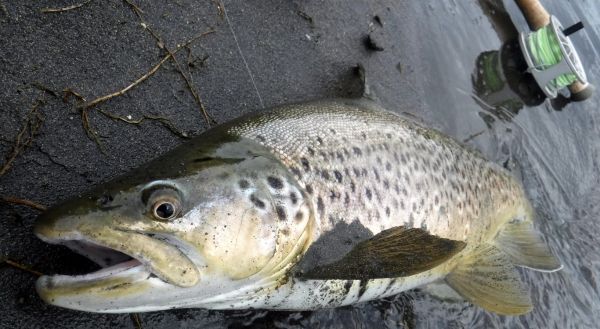 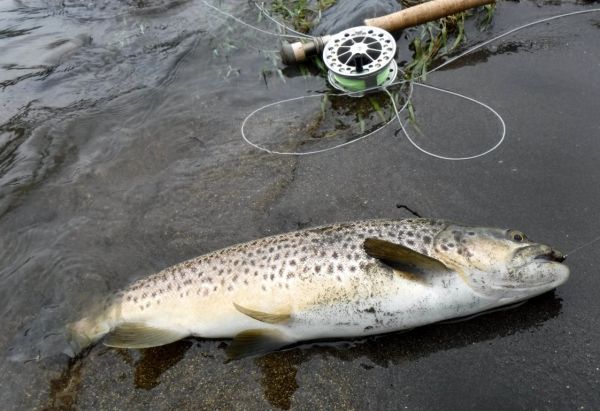
Right on cue the first of this "seasons" browns showed up and their numbers will build over the next few months.
No monsters yet ... but there will be.
I spend most of the summer "chasing browns" on the Tongariro.
Rainbows can be a little bit predictable but you never quite know what ole Salmo trutta is going to get up to.
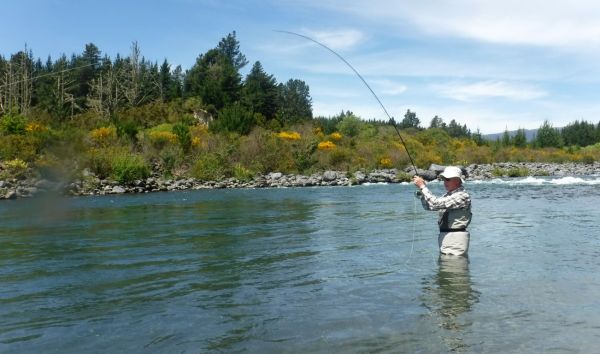 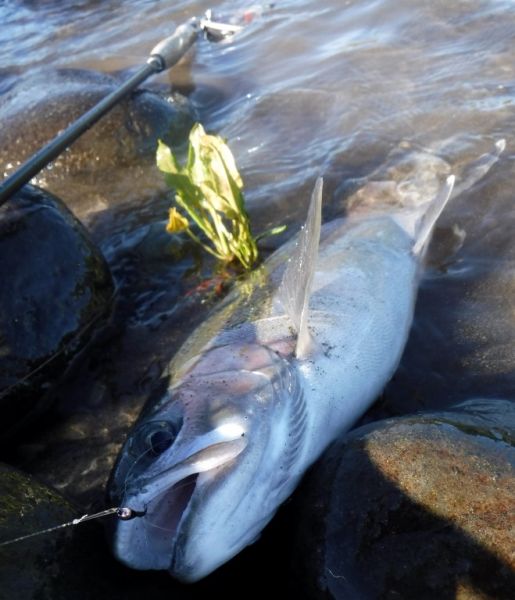
A close second to the dry and dropper this week has been czech nymphing the faster runs and seams. Fresh runs are still trickling through. And with plenty of kelts around keen to grab anything that moves, czech nymph patterns are working well.
To be fair so is everything else but I've probably caught the least on the indicator... that's because I don't use it as often at this time of year.
But even though the river is "fishing" you still occasionally bump into frustrated anglers who ask "Are there any trout in this river?"
Well ... there are ... but you probably won't catch them if your bomb and nymph is four feet below your indicator when you're fishing water seven feet deep.
Best spots for me since the last report, anywhere around town, and from Boulder Reach up.
Czech nymphing some of the town stretches has been a lot of fun.
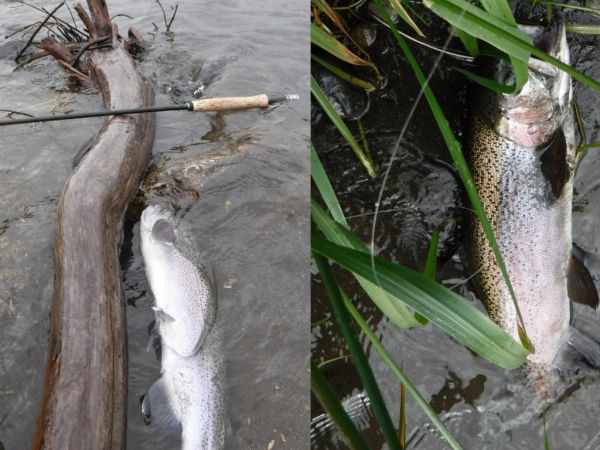 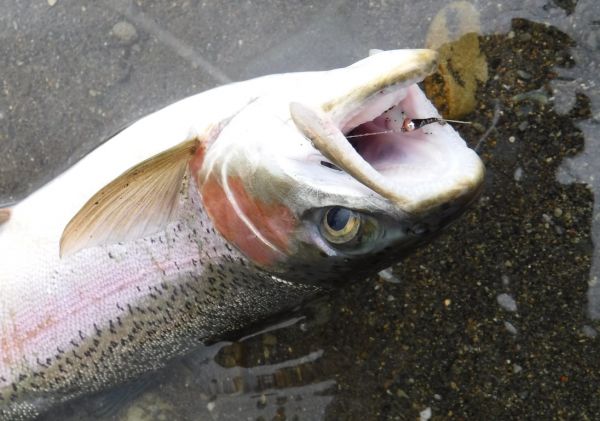 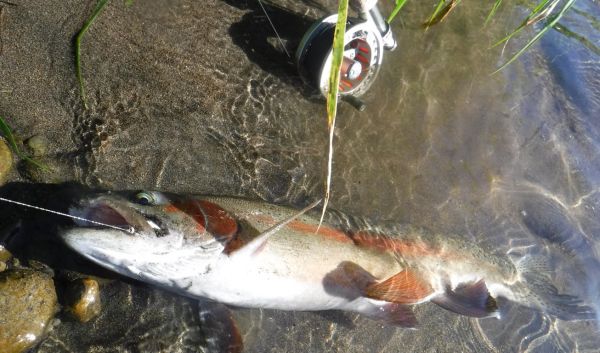 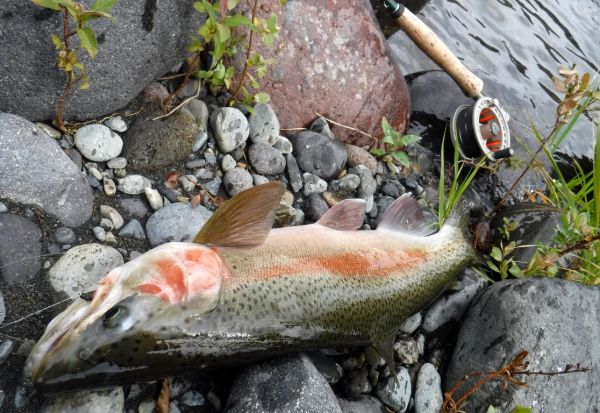 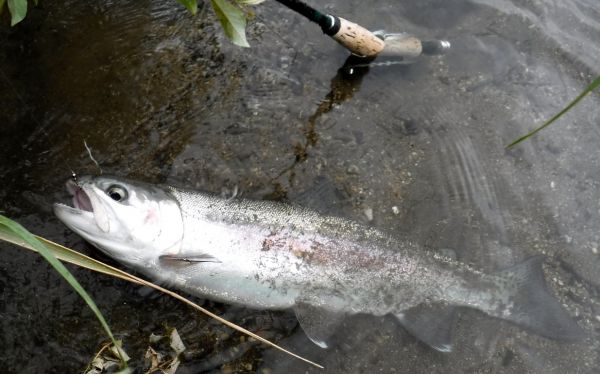 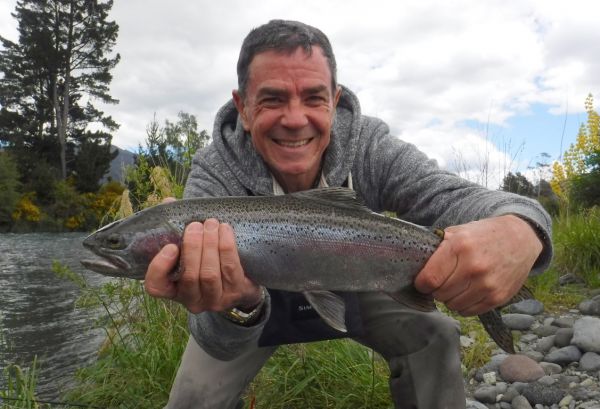
All in all the river has continued to fish well ... despite the dismal Spring weather.
More juveniles showing up. And if you find yourself scratching your head because you've started missing bite after bite its probably a pod of silver sardines heading for the lake.
A couple of better days coming up but then it looks as if its back to the damp stuff again.
With summer almost here I don't think much will change. But tread carefully from now on ... there will be some bigger browns around.
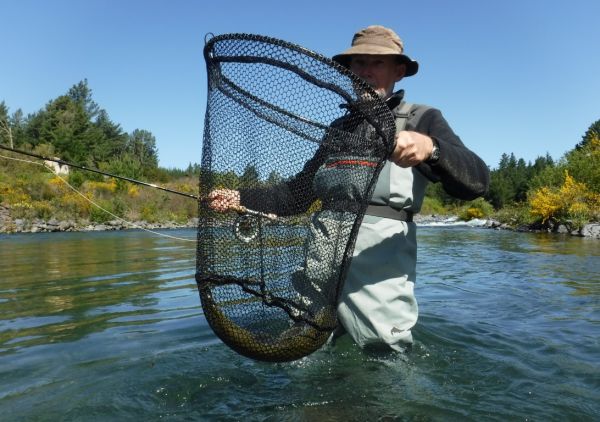
Tight line guys
Mike |
|
|
| Back to Top |
|
|
|
|
|
|
|


