| |
|
|
| |
Nymphing Part One.
Tue 3rd April, 2012
|
|
|
|
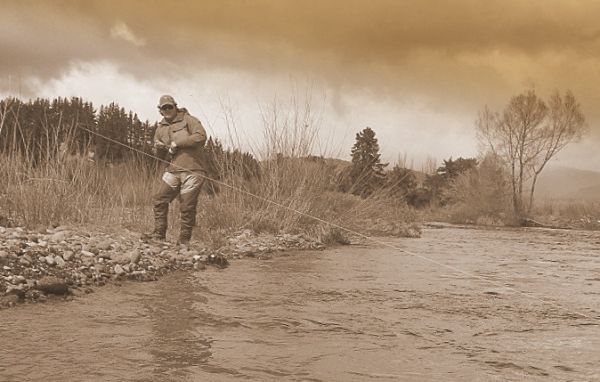
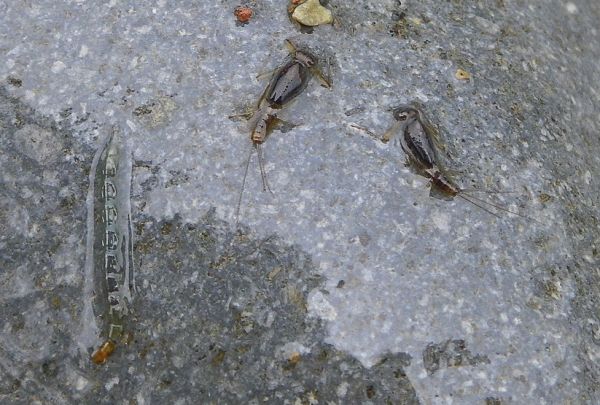
Within a few years of the completion of the Tongariro Power Developement Scheme in the 1970's nymphing and especially upstream nymphing became one of the most popular and productive methods used on the Tongariro. The last two years have seen a resurgence in the popularity of lures and wet-lines but the first choice for most anglers is still the yarn indicator, bomb and nymph.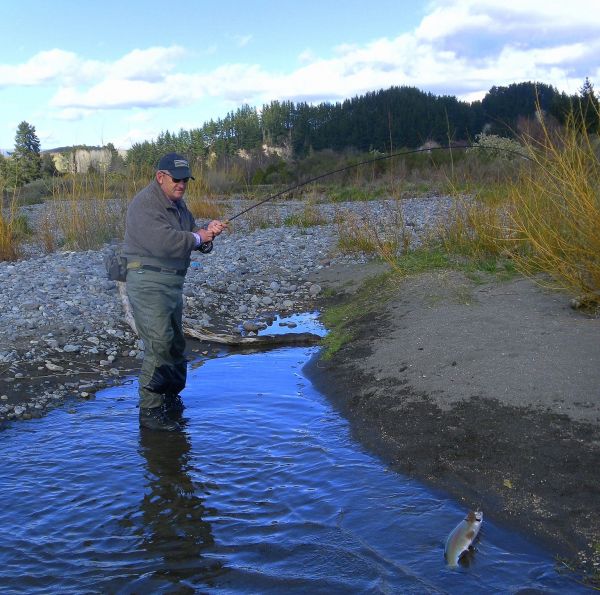 There's a good reason for this, most trout tucker is found within a foot of the bottom of the river bed. The larval and nymphal stages of caddis, mayfly and other aquatic insects that trout prey on spend most of their lives below the surface in amongst the rocks and stones and upstream nymphing is one of the more effective ways to imitate this important part of their life cycle. There's a good reason for this, most trout tucker is found within a foot of the bottom of the river bed. The larval and nymphal stages of caddis, mayfly and other aquatic insects that trout prey on spend most of their lives below the surface in amongst the rocks and stones and upstream nymphing is one of the more effective ways to imitate this important part of their life cycle.
 You can't talk about nymphing without mentioning Frank Sawyer, its over fifty years since Sawyer a river-keeper on Wiltshire's River Avon invented his famous range of nymphs. With flies like the Killer Bug, Grey Goose, Bow Tie Buzzer etc he was confident he could catch trout anywhere in the world. You can't talk about nymphing without mentioning Frank Sawyer, its over fifty years since Sawyer a river-keeper on Wiltshire's River Avon invented his famous range of nymphs. With flies like the Killer Bug, Grey Goose, Bow Tie Buzzer etc he was confident he could catch trout anywhere in the world. 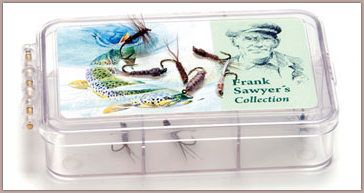 After years of observing and studying feeding trout and their interactions with the aquatic insects they were eating he was one of the first to realize that most of this activity took place below the surface. This was a completely new approach at a time when advances in fly-fishing were driven by the dry-fly. His simple but deadly Pheasant Tail nymph became the fore-runner of modern weighted nymphs and it or one of the many variants is as much used today as ever it was. After years of observing and studying feeding trout and their interactions with the aquatic insects they were eating he was one of the first to realize that most of this activity took place below the surface. This was a completely new approach at a time when advances in fly-fishing were driven by the dry-fly. His simple but deadly Pheasant Tail nymph became the fore-runner of modern weighted nymphs and it or one of the many variants is as much used today as ever it was.
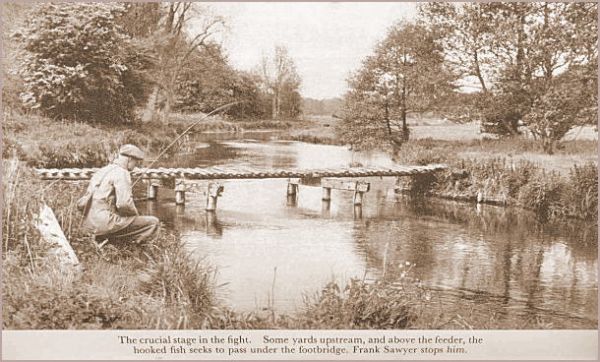
I don't think a day on the river ever goes by without me tying on a P.T. nymph at sometime and it wouldn't surprise me if anglers a hundred years from now will be saying the exact same thing.
The Pheasant Tail was originally tied to represent a swimming mayfly nymph commonly called an agile darter. These torpedo shaped nymphs are found in trout streams and rivers world-wide and belong to the family of mayfly most anglers call " olives ." Sawyer tied his famous creation without legs because he had noticed that while swimming the legs were folded back keeping the nymphs streamlined shape. But not all of the aquatic invertebrates that trout prey on are such accomplished swimmers. Most are very much at the mercy of the river flow and if dislodged from the stones and rocks drift helplessly in any current near the bottom. Every so often they'll give a little wriggle which causes them to rise and fall but eventually if they don't get eaten they will sink to the safety of the riverbed. This downstream journey can be imitated by using a variety of different nymphing techniques depending on the type of water your fishing. Unlike other freshwater species like bream, carp, or tench, trout are not bottom feeders, for a start their preferred environment is very different. The former prefer slow moving rivers and still-waters carrying plenty of color with a muddy bottom.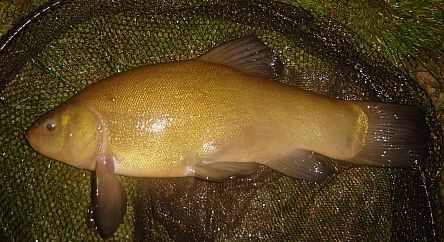
Trout and their off-spring thrive in the cold, fast, well oxygenated water of clear stony rivers like the Tongariro. True they feed mainly below the surface but you don't see trout grubbing around the river bed looking for a meal. To do this they would have to have their head down and tail up which would waste precious energy. In faster water trout are masters at conserving their energy reserves and learned long ago its far easier to take up a position near the bottom where the velocity of the moving water is less and let the food come to them.
Once a trout has found a good feeding station it won't move far from it while actually feeding. May be a couple of feet backward or forward, a few inches from side to side and less than a foot in an upward direction unless there's a hatch taking place or they can see or sense plenty of other insect activity at the surface. The position of a trouts eyes mean that when looking forward or upward both eyes are used { binocular vision }. Looking to the side and rear only the eye on that particular side comes into play { monocular vision }. It has two blind spots, one beneath it and the other more well known one directly behind it, which canny fly fishermen take advantage of while stalking fish. Trout can be picky and suspicious about the depth and speed that your flies are traveling, so one of the skills you have to master when you first start nymphing is how to achieve the so called "natural drift". Over the next few weeks we'll look at how to do this in a little more detail along with some of the other skills involved in nymphing the Tongariro ... with or without that big fluffy indicator.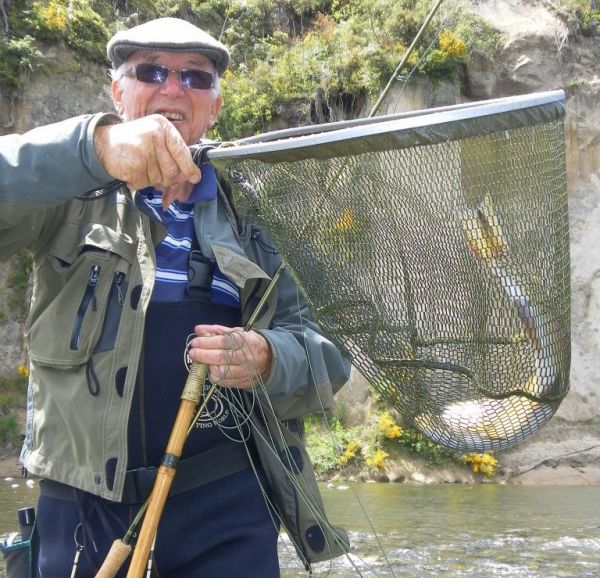
Tight Lines Guys
Mike |
|
|
| Back to Top |
|
|
|
|
| |
| COMMENTS |
|
| Great looking site, I really like the idea of having different categories so we don't have to wade through information we're not looking for.I am an avid fisherman and am looking forward to some fishing tips and tech videos.Keep up the good work guys. |
|
|
|
| ambartunegra | Wed 6th June, 2012 | |
|
|
|
| |
|
|
|


