| |
|
|
| |
A quick guide for Mayfly.
Thu 6th May, 2010
|
|
|
|
The mayfly comes under the order Ephemeroptera which translates as “short lived”. They are one of the oldest of the flying insects and mayfly fossils date back millions of years.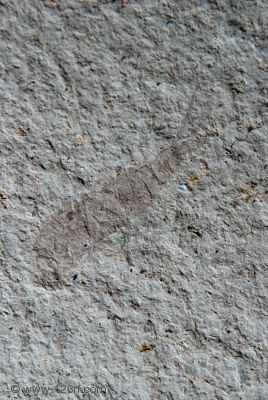
The reference books tell us there are now around forty species identified in eight families here in New Zealand and although this list is still incomplete many of them are found nowhere else in the world. Once hatched from the egg they are known as nymphs and live on the bottom of the river bed usually for about a year before they begin the transformation into an adult mayfly.
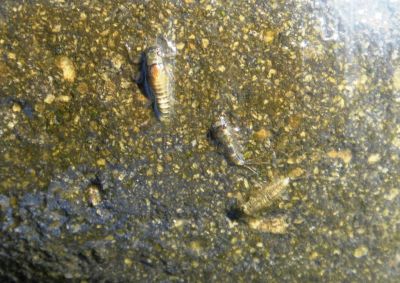 The nymphal stage is divided into four common types: Swimmers, Crawlers, Burrowers and Clingers. If you have eye-sight like mine they can be difficult to identify unless you have a magnifying glass handy. The nymphal stage is divided into four common types: Swimmers, Crawlers, Burrowers and Clingers. If you have eye-sight like mine they can be difficult to identify unless you have a magnifying glass handy.
Swimmers dislike fast water preferring the slower water which borders the faster flow. They conceal themselves under rocks logs etc have a skinny rounded profile and in open water use their tails to dart around like little fish.
Crawlers can be found throughout rivers they have quite strong looking legs but without the streamlined shape of swimmers and always have three well defined tails. They live in amongst rocks and gravel but not usually underneath them so are available at any time for a hungry trout.
Burrowers spend most of their time in holes in the river bed and generally feed and hatch at night. These grow quite large and undergo a number of molts as they get bigger.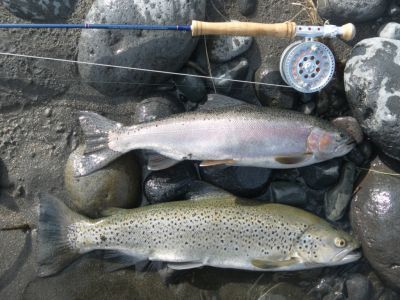
Burrowing nymphs are poor swimmers and are taken by trout as they wriggle their way to the surface to hatch.
Clingers love fast, oxygenated water and live under the rocks and pebbles in the quicker flowing shallower runs. They have a flat profile to help them cling to rocks etc without getting washed downstream. They normally prefer to feed when the light is poor or at night. Trout tend to prey on them when they vacate their hiding places to move into slower water prior to hatching.
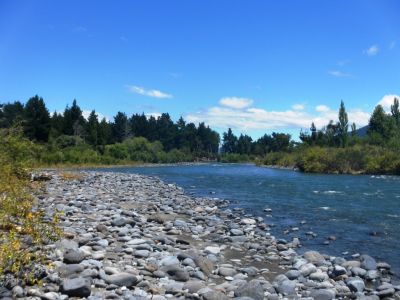
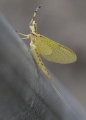
During a hatch the outer skin of the nymph splits and they begin to shed it as they make their way to the surface. This discarded skin is commonly called a shuck and anglers call this stage the emerger. They are particularly vulnerable to feeding trout as they journey upwards. Once at the surface they transform into a sub-imago we call it a dun and now closely resemble the adult insect but are smaller and duller in color. This change from egg to nymph and finally adult is called incomplete metamorphosis.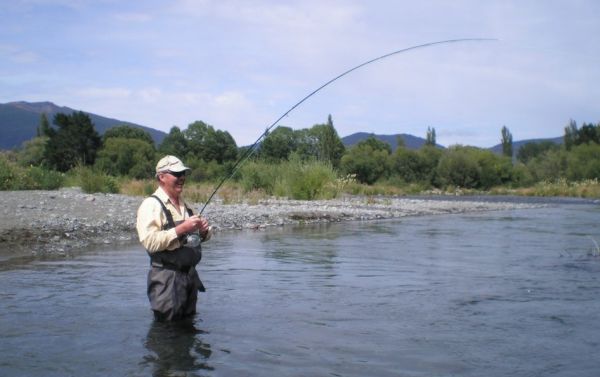
The dun flies from the water to seek shelter nearby and eventually sheds its skin for the final time…usually overnight but this can vary. Mayflies are the only insects to molt again after they have formed wings that actually work.This final transformation is called the imago… fisho’s know them as spinners. At this stage they have no functioning mouth parts and stay alive only long enough to mate.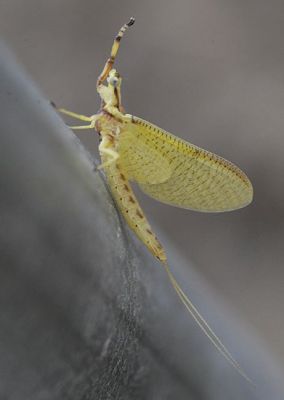
As dusk approaches clouds of mating mayflies are a common site on rivers around the world. But so far I have never witnessed a really prolonged intense hatch on the Tongariro like many I have seen in the UK where the air is thick with them.
Females deposit their eggs in various ways, some drop them from a height of several feet, others will skim the surface dipping the very tip of the abdomen into the water washing off a few eggs at a time and sometimes a female mayfly will actually crawl underwater to deposit her eggs.
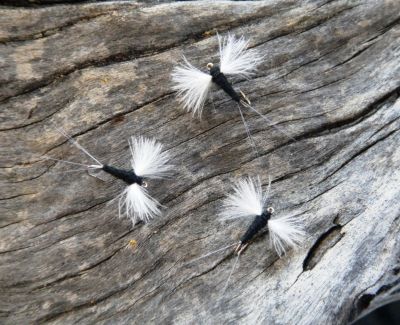 More commonly they will fall exhausted into the river and push out the eggs as they die. More commonly they will fall exhausted into the river and push out the eggs as they die.
Trout will often take them as they float downstream with wings extended like tiny airplanes.
Fish feeding on dead spinners are usually responsible for the "sipping" rises you often see during a hatch.
This final stage is best imitated with sparsely tied patterns that sink into the surface film. |
|
|
|
|
|
| Back to Top |
|
|
|
| |
|
|
|