| |
|
|
| |
A quick guide for Cicadas.
Sun 3rd January, 2010
|
|
|
|
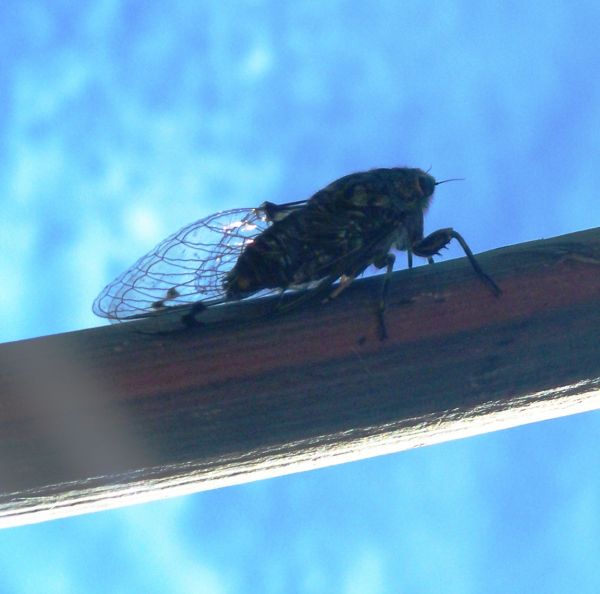
New Zealand is world famous for its cicada fishing and anglers will visit Aotearoa just to fish for trout during this time.The Cicada season is relatively short lived peaking around February each year but this can vary depending on environmental factors like temperature, rain-fall etc.
There are around forty species native to New Zealand and some of these terrestrials are well over an inch long.To a trout it’s like eating a Big Mac and cicada imitations can be deadly if the fish have tuned into the real thing during a prolonged emergence.
When these large insects are in full song the noise along the river banks can literally be deafening. But only the males “sing” mainly to attract females…I’ve tried this and it doesn’t work. They have the loudest “song” of all the tropical singing insects with noise levels of 120 db recorded at close range.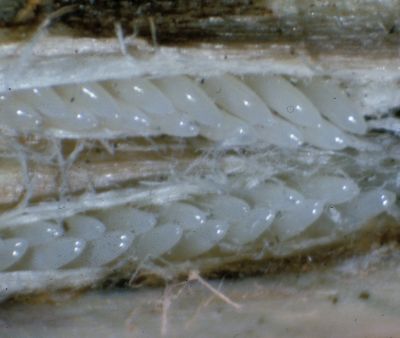 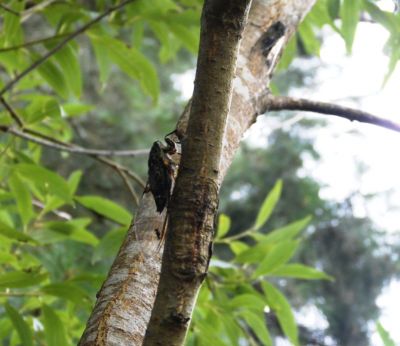
During summer the trees and bushes can be covered with them but the intensity of this annual event is difficult to predict. Interestingly they spend most of their lives underground. It’s uncertain but its thought that New Zealand species remain underground for up to five years. While Periodical cicadas in America emerge every thirteen or 17 years…quite amazing.
Once above ground the female deposits her eggs into plant tissue using a sword-like appendage called an ovipositor where the eggs look very much like grains of rice.
When the nymphs eventually hatch they fall to the ground where they begin to burrow down. Sometimes to a depth of over 40 cms. Here they feed on plant matter and as they grow undergo several molts called instars.
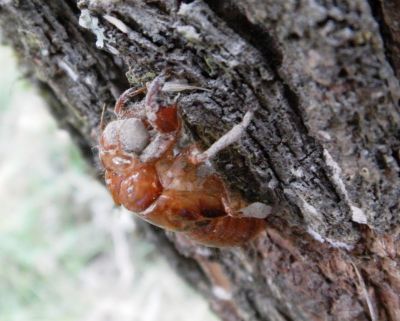
When the nymph reaches maturity it waits for the ground temperature to reach a constant temperature of around 18 degrees C and if the ground moisture content is also suitable the nymphs burrow upwards where they emerge en masse under cover of darkness. Thousands of them then climb nearby trees and bushes to undergo the final molt.
The skin splits and the soft emerging adult wriggles free. Then hangs there waiting for the body and wings to harden before they are able to fly off in search of a mate. Adult cicadas live for several weeks and luckily for us they are not the world’s greatest aeronauts. So in a good season large numbers of cicadas end up in the river.
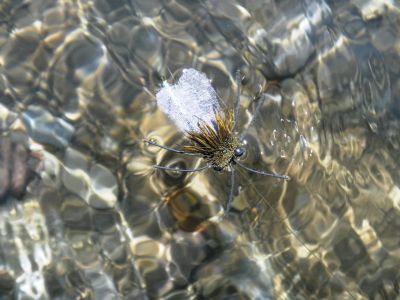
Trout can become totally pre-occupied with them providing the angler with exceptional surface action.There are plenty of commercial patterns available many tied using foam or spun deer hair. I prefer the latter, foam rubber is buoyant but its heavy and tends to sit a bit low in the water which makes them difficult to spot. Even the deer hair version can sometimes be hard to track so I tie in a little bit of bright orange yarn behind the eyes.
If you've never fished a dry before this can be an excellent time to learn. There's no need for the finesse of stalking wary trout on an English Chalk Stream during "cicada time". Often it can be an advantage to “plop” the fly onto the surface to simulate the sound of one these clumsy insects ending up in the drink.
And if you are casting to sighted fish they will often turn and swim from some distance away to come and engulf the fly.
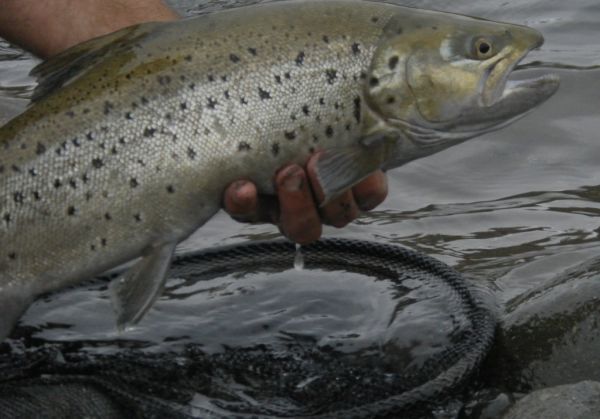
It’s a visually exciting method but like other forms of dry-fly fishing you must resist the urge to strike straight away.This isn't always easy when your heart is thumping like a drum as a trophy Tongariro brown is steaming towards your fly.
Be lucky guys
Mike |
|
|
|
|
|
| Back to Top |
|
|
|
| |
|
|
|